
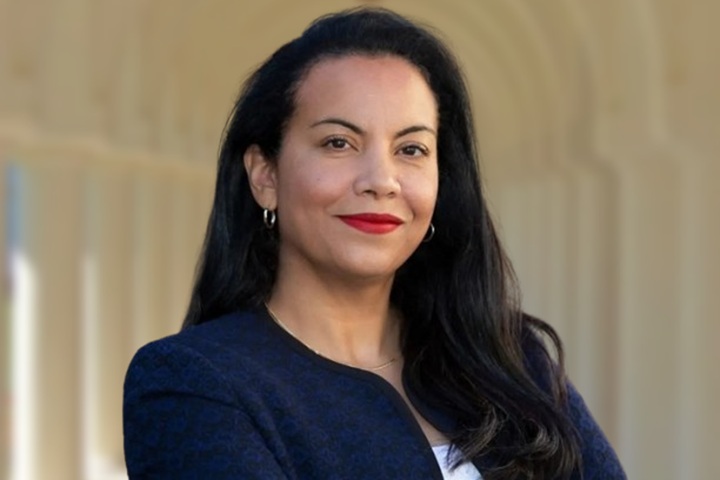
Analilia Mejia, a progressive candidate backed by high-profile figures like Bernie Sanders and Alexandria Ocasio-Cortez, has surged to the lead in New Jersey’s 11th Congressional District Democratic primary. Mejia credits her strong performance to a campaign focused on affordability and her stance on ICE, which has resonated with voters seeking change on immigration enforcement and economic issues.
The race remains extremely close, with Mejia narrowly ahead of former Rep. Tom Malinowski as ballots continue to be counted, and no official winner yet declared. Her unexpected surge has drawn national attention, highlighting tensions between progressive insurgents and establishment Democrats, and signaling potential momentum for left-wing candidates heading into the 2026 midterm elections.
From Humble Beginnings to a Life of Purpose
Analilia Mejia’s journey began far from the spotlight of national politics. She was born and raised in New Jersey by parents who had moved to the United States from Colombia and the Dominican Republic. Her family worked hard to make ends meet, and her mother labored long hours in low‑wage jobs just to support the household. Watching her family struggle with basic costs like rent, food, and healthcare made a deep impression on Mejia when she was young.
Analilia Mejia learned early that economic challenges weren’t just abstract problems talked about in the news—these were real stories affecting real people she loved. This shaped her worldview and gave her a strong sense of empathy for everyday families trying to get by. Instead of feeling discouraged by these struggles, Mejia felt motivated to understand why such inequalities existed and what could be done to change them.
Analilia asked questions that many people don’t think about until later in life: Why are wages so low when costs are so high? Why do workers have so little protection? Why must families choose between medicine and rent? These questions became the starting point of her lifelong commitment to helping others. What began as personal experience became a deeper purpose: to work toward a society where families like hers didn’t have to struggle alone. Her upbringing didn’t just give her a story to tell—it gave her a reason to serve.
Becoming a Voice for Workers and Communities
Before running for political office, Analilia Mejia built her reputation as a passionate organizer and advocate for labor rights and economic fairness. She didn’t walk into the world of activism as an expert—she learned by doing. She started working with labor unions and community groups, helping everyday workers fight for better pay, safer workplaces, and fundamental rights that many take for granted.
Mejia quickly discovered that change doesn’t happen in headlines; it happens at dinner tables, over shared coffee conversations, and in crowded meeting rooms where people speak up for what they know is right. She worked on campaigns that pushed for policies such as a higher minimum wage, paid sick leave so families wouldn’t lose income when someone got sick, and benefits for workers in dangerous jobs.
Analilia Mejia believed that employers and policymakers needed to hear directly from workers themselves, not just from financial reports or political consultants. At the same time, Mejia’s leadership skills grew. She was asked to take on roles with national visibility, including helping lead political campaigns and organizing outreach on issues that mattered deeply to people across the country.
What set her apart was her ability to listen: to absorb the concerns of communities, to reflect their needs back in clear terms, and to counsel solutions without hiding behind political language. Through this work, Analilia Mejia became known as someone who didn’t just talk about fairness—she stood beside people who needed it most.
Stepping Into the National Arena: The NJ‑11 Congressional Campaign
In 2026, Analilia Mejia took a step that many organizers dream about: she decided to run for Congress. She chose to compete in the Democratic primary for New Jersey’s 11th Congressional District, a seat that became open when the previous representative left office. What started as a local effort grew into an unexpectedly intense and closely watched race.
Mejia’s campaign was rooted in honest conversations about the daily concerns people face—especially around rising living costs, budgeting challenges, healthcare access, and immigration policy. Rather than using complicated political jargon, she spoke directly about what people said they needed: help with rent, relief from crushing medical bills, respect for families who had come to the U.S. seeking opportunity, and leaders who cared more about solutions than popularity. Her openness and clarity attracted attention.
Analilia Mejia wasn’t running just to win an election—she was running to elevate voices she felt were too often ignored. The primary quickly became a tight contest. Mejia found herself competing against well‑known figures and establishment candidates with more traditional political backing. Despite that, her message caught on with voters who were tired of status quo politics.
Her campaign drew support from young voters, families struggling with affordability, workers seeking stronger protections, and activists pushing for deeper reform. The result was a neck‑and‑neck race that drew national interest. As votes were counted, Mejia found herself narrowly ahead, illustrating that her grassroots approach was resonating with many people in the district. While final results were still pending, her performance signaled something important: that everyday concerns—when spoken about plainly and honestly—can move people and shape major political races.
A Clear Vision for a More Just Society
At the center of Analilia Mejia’s work is a simple belief: everyone deserves a fair chance at a decent life. Her vision isn’t rooted in complex ideology—it comes from listening to people talk about what matters most: their families, their jobs, and their future. One of Mejia’s core priorities is economic fairness. She believes that workers should be paid enough to cover basic needs and that families should not have to work multiple jobs just to survive.
Analilia Mejia supports policies that raise wages, expand workplace protections, and give workers a real seat at the table. For Mejia, economic security is not something to be earned—it is something every human being deserves. Another key part of her vision is affordable housing. She recognizes that families should not be forced to choose between keeping a roof over their heads and putting food on the table.
Her proposals aim to ease housing burdens so that more people can live with dignity and security. Mejia also talks about healthcare not as a business but as a human necessity. She argues that people should not lose everything because of illness and that medical care should be a right, not a privilege.
At the same time, Mejia has been clear about immigration policy. Analilia Mejia emphasizes that immigrants make deep contributions to society and that policies should honor human dignity and family unity. While immigration can be complex, her approach focuses on fairness, compassion, and respect for those who seek better opportunities.
Across all these areas, her voice remains grounded in personal stories—stories she has heard from neighbors, friends, and strangers alike. Analilia often says that policy should reflect the real world, not abstract theory, and that leaders should make decisions that help families thrive, not just survive. This grounded vision has helped her connect with voters who feel overlooked by traditional political leaders.
Inspiring a New Generation of Leaders
Analilia Mejia’s rise in American politics has gone beyond a single campaign—it has inspired many people who once felt disconnected from political life. Her journey shows that meaningful change isn’t limited to those with long political pedigrees or powerful connections. Instead, it can come from individuals who have lived the struggles they seek to solve and who remain committed to speaking honestly about them.
People across different communities have seen in Mejia someone who listens before she speaks, who learns before she leads, and who treats every voice with respect. That alone has encouraged others to step forward, to engage in community work, to run for office, and to believe that their experiences matter. Her story demonstrates that leadership is not born out of privilege but out of perseverance, empathy, and genuine concern for others.
Even as her campaign brought her into the national spotlight, she stayed rooted in the simple truth that people want leaders who understand their lives—not just their votes. Whether through organizing a neighborhood meeting, advocating for a worker’s rights, or addressing national issues like economic fairness and immigration, Mejia’s approach has been relatable, compassionate, and direct.
Many young activists see her as a role model because she proves that passion combined with integrity can open doors previously thought closed. In this way, her impact extends beyond electoral politics; she has contributed to shifting the tone of civic engagement toward one that is inclusive, honest, and rooted in everyday reality. As more people look for leaders who reflect their values and lived experiences, Mejia’s story stands as a reminder that change is possible when people work together with purpose and heart.