
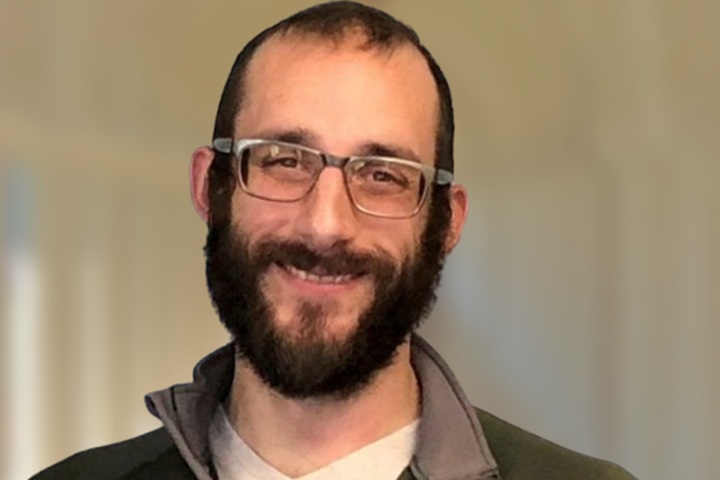
Alex Pretti, a 37-year-old ICU nurse from Minneapolis, was fatally shot by federal agents during an enforcement operation on January 24, 2026. He was not the target of the operation and was reportedly filming the encounter when the shooting occurred. Authorities later confirmed that Pretti died from multiple gunshot wounds, and the county medical examiner ruled his death a homicide. The incident sparked protests and led to federal civil rights investigations, keeping the case under national attention.
Who Was Alex Pretti? Life and Background of the Minneapolis ICU Nurse
Alex Pretti was a 37-year-old intensive care unit nurse who lived and worked in Minneapolis, Minnesota. He was employed at a Veterans Affairs hospital, where he cared for patients in critical condition, many of them military veterans. People who worked alongside him said he took his job seriously and treated patients with respect and compassion, even during stressful moments.
Outside the hospital, Alex lived a fairly quiet life. Friends and neighbors described him as thoughtful, calm, and the kind of person who paid attention to what was happening around him. He believed in standing up for people when something felt wrong and was known to be socially aware, especially when it came to issues involving fairness and public safety.
Alex was legally allowed to own a firearm and had the proper permit, but there is no indication that he was aggressive or confrontational by nature. Those close to him say he was more focused on helping others than getting into conflict. Before January 2026, he was simply a healthcare worker doing his job and living his life—unknown to the wider public.
His name only became widely known after his sudden and tragic death, which transformed him from a private citizen into the center of a national conversation.
What Happened on January 24, 2026? The Fatal Shooting Explained
On the morning of January 24, 2026, federal immigration agents were carrying out an enforcement operation in the Whittier neighborhood of Minneapolis. The operation was part of a larger federal push to increase immigration enforcement in cities, something that had already caused tension in the community.
Alex Pretti was not the target of the operation. He happened to be nearby when agents confronted several civilians. According to witnesses and video recordings, Alex was holding his phone and appeared to be recording what was happening. At one point, he moved closer after seeing a woman forced to the ground by an agent.
The situation escalated very quickly. Agents used pepper spray, and Alex was hit by it. Moments later, officers moved toward him, and a struggle followed. Within seconds, multiple gunshots were fired.
Alex was shot several times and collapsed at the scene. Emergency responders rushed him to a nearby hospital, but he later died from his injuries. The shooting happened in public, in daylight, and was seen by several witnesses, some of whom recorded parts of the encounter. The speed of the escalation—from a man filming on his phone to a fatal shooting—left many people shocked and searching for answers.
Medical Examiner Rules Alex Pretti’s Death a Homicide
About a week after the shooting, the Hennepin County Medical Examiner released its official findings. The report stated that Alex Pretti died from multiple gunshot wounds and classified his death as a homicide.
In simple terms, this means that Alex died because another person caused his injuries. It does not automatically mean a crime was committed, but it confirms that the shooting—rather than an accident or medical condition—was the direct cause of his death.
The ruling was important because it challenged early suggestions that the shooting was unavoidable or purely defensive. The medical examiner made it clear that law enforcement gunfire caused Alex’s death.
This finding added urgency to calls for a deeper investigation. For many people, the homicide ruling confirmed that the case needed to be examined carefully and independently, especially given the conflicting stories already circulating.
Conflicting Accounts, Video Evidence, and Public Outcry
In the hours after the shooting, federal officials said Alex had approached agents with a weapon and posed a threat. Those statements were quickly questioned once videos from the scene began spreading online.
Several recordings appeared to show Alex holding only his phone before the shooting. Witnesses said he was trying to help someone else and was not acting aggressively. Some footage suggested that his legally owned firearm may have been removed before shots were fired, raising serious questions about whether he was armed at the moment he was killed.
As more people watched the videos, public anger grew. Many felt that the official explanation did not match what they were seeing with their own eyes. Community members accused federal agencies of changing their story and failing to be transparent.
Protests began in Minneapolis and later spread beyond the city. Demonstrators called for accountability, saying Alex should never have been killed simply for being present and recording what he believed was excessive force.
Social media amplified the outrage, with many people comparing Alex’s death to other high-profile cases involving law enforcement and civilians. For a city already shaped by past police violence, the incident reopened deep wounds.
Federal Investigations, Protests, and Ongoing Calls for Justice
As public pressure mounted, federal authorities announced investigations into the shooting. The Department of Justice and the FBI began reviewing whether Alex Pretti’s civil rights were violated and whether the agents involved followed proper use-of-force guidelines.
At the same time, tensions grew between federal agencies and Minnesota state officials. State leaders pushed for access to evidence and greater transparency, while critics accused federal authorities of controlling the narrative and limiting oversight.
Investigative journalists later identified the agents involved in the shooting, which intensified calls for accountability. Many questioned why their identities were not released sooner and argued that secrecy undermines public trust.
Alex’s family also spoke out, describing him as a caring nurse and a good person who did not deserve to die. They hired experienced civil rights attorneys and made it clear they intend to seek answers and justice through the legal system.
Even months later, protests, vigils, and public discussions continue. For many people, Alex Pretti’s death represents more than one tragic incident—it has become a symbol of broader concerns about federal policing, the use of force, and the rights of ordinary citizens.