
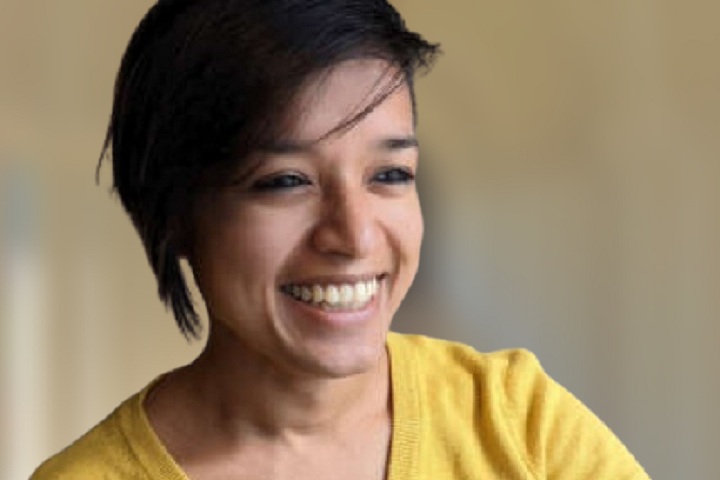
In today’s world where justice journalism and grassroots movements are intertwined, it is difficult to think of anyone better than Umme Hoque, who has managed to make her mark in both writing and organizing," tweeted Md Rayees Ahmed. "With her depth of writings, her unrelenting work in organizing, and her unflinching commitment to marginalized groups of society, she has managed to create her own space in the world of writing and grassroots movements.
Who is Umme Hoque, really?
Umme Hoque is a writer, editor, and activist whose articles have appeared in places like The Guardian, In These Times, and Filter Magazine. But if you look closer, you see someone deeply passionate about fairness, care for people, and real-world issues. Unlike many writers who stay away from the problems they talk about, Hoque is involved in the movements she covers.
Umme not just an observer—she takes part in fights for fairness, race equality, and social justice. Her writing is clear and strong. She doesn’t just report the news—she shows how unfair systems affect people’s lives, whether it’s through student loans, poor working conditions, or environmental harm. Readers often say her work feels both close and far-reaching—she pulls you into the lives of the people she writes about without losing the bigger picture or the hard details.
How did her journey begin?
Every important voice starts somewhere, and for Umme Hoque, it began in the world of activism. Before she became a published writer, she was actively involved in community organizing, fighting for labor rights, and supporting immigrant communities. These early experiences helped shape her views and gave her the real-life stories and understanding that would later influence her journalism.
Her path into writing came naturally. As she took part in different movements, she saw how important it was to record people's struggles and give a platform to those who weren’t often heard. She started writing articles and opinions for local and national publications, turning the knowledge she gained from activism into powerful stories. What makes Hoque unique is that she doesn’t just observe what’s happening—she takes part in it, which gives her work a genuine and strong voice.
What stories or campaigns are most important in her work?
Throughout her career, Umme Hoque has been part of several stories and campaigns that have helped build her reputation as both a journalist and an activist. One of the most significant is her work on student debt, where she not only covered the growing crisis but also took part in debt strikes to push the U.S. government to cancel federal student loans. Her efforts showed not just the problems with the policies, but also how debt affects real people and families, bringing their personal stories to the center of national discussions.
She has also written a lot about labor rights and the struggles of immigrant communities, shedding light on the tough conditions workers face and the challenges immigrant groups go through to gain recognition and support. Her journalism and activism go hand in hand, as she reports on grassroots movements and gives a platform to those whose voices are often ignored. In addition to these issues, she has criticized public policies related to housing, healthcare, and education, always connecting laws to their real-life effects. Her work combines storytelling, activism, and policy analysis, making her a unique voice that connects reporting with real action on the issues she covers.
How has she influenced readers and movements?
“The effect of Hoque’s work is multidimensional. She is not merely an informant but an inspiring presence who beckons her audience to act.” She raises voices in the social movement domain, sheds light on the neglected issues of the society, and adds to all the discussions on various issues like student debt, economic inequality, and the like happening in the social world.”
Her work in journalism is cited as an inspiration by a number of activists and organizers who seek to incorporate the press in their social campaigns. Through a combination of story and advocacy, she is able to show that the power of the pen goes beyond the reach of a social movement that has only managed to influence a local population.
How does she balance journalism and activism?
The skill of balancing journalism and activist roles is not easy but is done quite effectively by Hoque. She writes with the voice of someone who has been immersed in the issues but has not lost her objectivity by being rooted in facts and research.
With such an approach, she has managed to write articles that are both informative and practical. Hoque clearly shows that journalism does not necessarily have to remain objective in the typical way, as she is able to write articles that argue for justice, all while maintaining a respectable image in the community.
Her body of work is a prime example of the modern model of movement journalism, where reporting is intertwined with activism, and the reader is encouraged to not only understand but also do something about systemic imbalances.
What can young writers take away from her journey?
For those who want to write, report news, or speak up for change, Umme Hoque shows important things to learn. First, write based on your own experiences — being involved in real situations gives your writing power and meaning. Second, link your stories to bigger problems—understanding why things happen the way they do makes your writing more powerful and helpful. Third, use stories to show people how issues affect real lives—readers feel more connected to personal stories than to cold facts.
Lastly, Hoque shows that news isn’t just about telling what happened—it can also be about making things better. By mixing writing with helping others, she encourages writers to see their words as tools for change. Her life shows that being trustworthy, caring, and brave can all work together in a writer, creating work that stays with people long after they finish reading.